Relaxin Hormone During Pregnancy: Joint Pain, Body Changes, and the Benefits of Pregnancy Massage
A closer look at the pregnancy hormone that changes your joints, shifts your comfort level, and shapes how prenatal massage should be done.
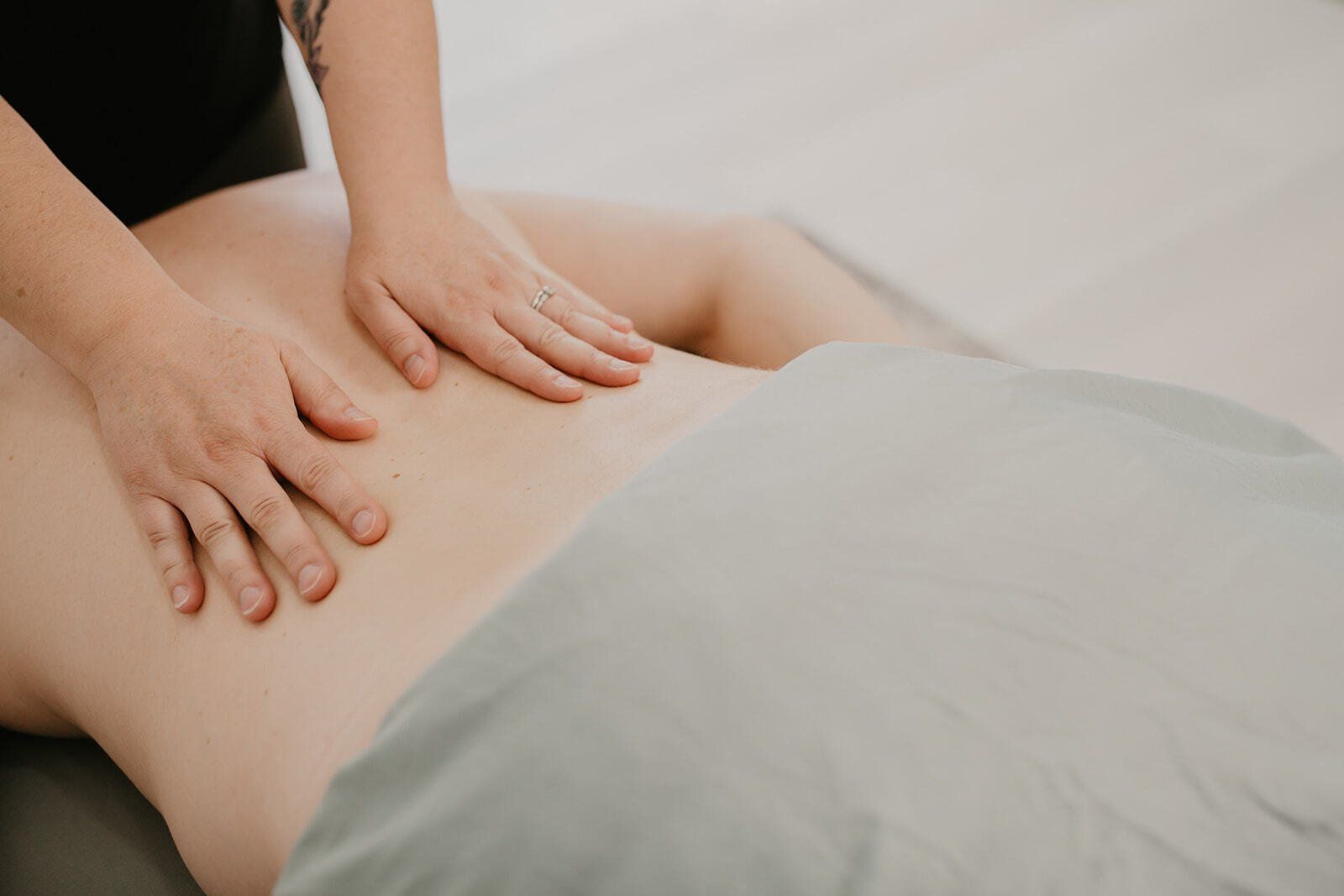
Pregnancy is a wild mix of joy, discomfort, and “what is my body even doing right now.” One of the most misunderstood parts of this whole experience is the relaxin hormone. Many people hear the name and assume it is something calming, like chamomile in hormone form. Not quite. Relaxin is incredibly important for pregnancy, but it also creates some of the joint pain, instability, and wobbly sensations that clients talk about every day.
Understanding what relaxin does, why your joints feel different, and how pregnancy massage helps can make the entire experience feel less mysterious. Even better, it empowers you to choose a therapist who knows how to work with a body that is actively changing week by week.
This guide breaks down the relaxin hormone during pregnancy, how it affects your muscles and joints, and why a certified prenatal and postpartum massage therapist is essential for safe and effective care.
What Is the Relaxin Hormone During Pregnancy?
Relaxin is a hormone your body naturally produces during pregnancy. Its big job is simple: Loosen the ligaments and tissues around your pelvis to prepare your body for birth. Think of it as nature’s way of creating more space and flexibility.
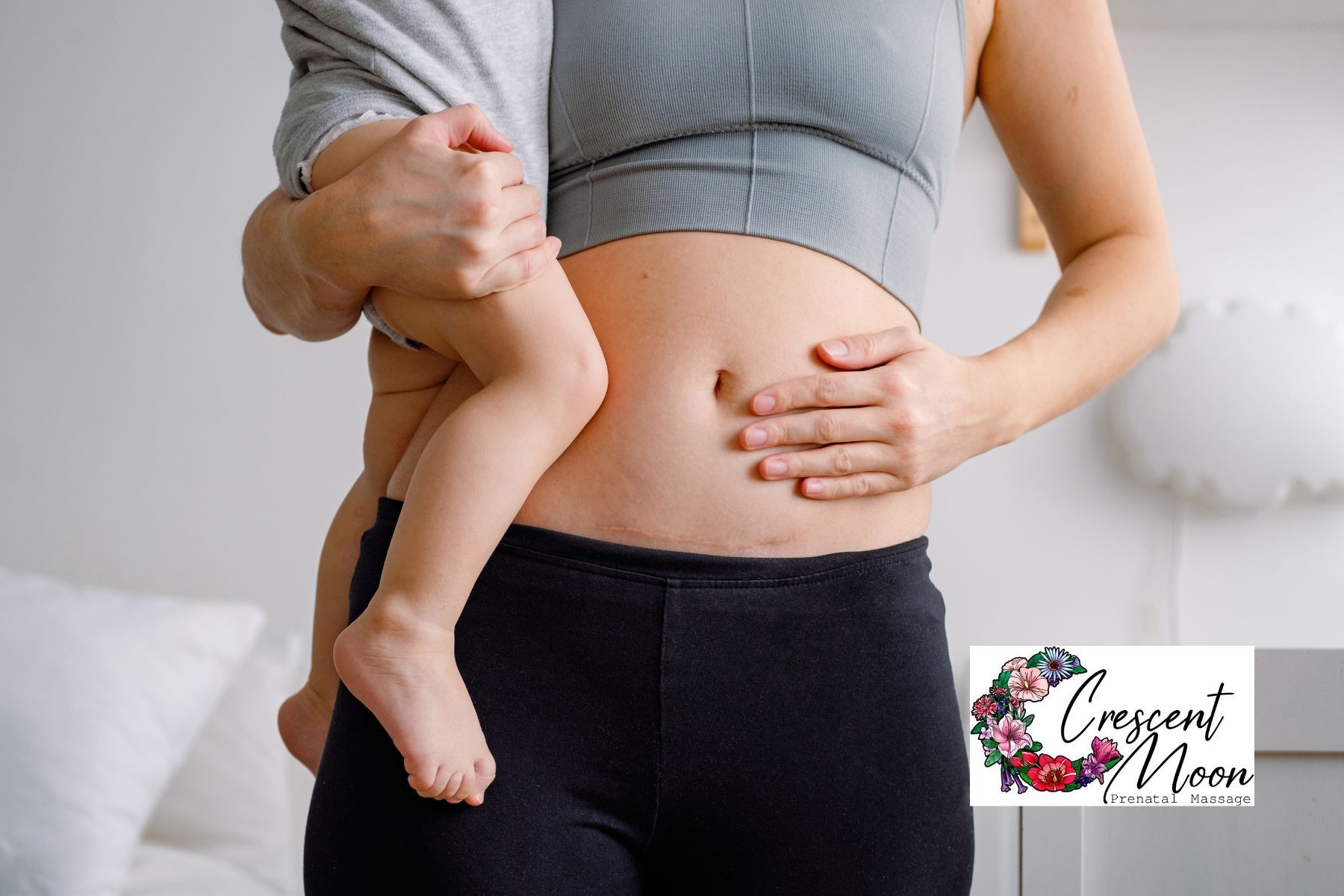
Relaxin peaks during the first trimester but stays active throughout pregnancy. Many people do not realize it also remains in your system for a period postpartum while your body shifts back to its non-pregnant state. This lingering effect explains why your hips might still feel loose or why your lower back feels more sensitive after the baby arrives.
Relaxin is helpful, but it is also the reason your body might feel unstable or “off.” Your ligaments soften. Your joints move more. Muscles start working overtime to protect areas that no longer feel as solid as they used to.
That compensation leads to symptoms like:
- Low back pain
- Hip and pelvic soreness
- Sciatic discomfort
- Rib tightness
- Knee and ankle instability
- General joint pain
None of this means your body is doing anything wrong. It means your body is doing exactly what pregnancy requires.
How Relaxin Contributes to Joint Pain and Muscle Tension
When ligaments are looser, the joints they support become less stable. Your muscles step in to help, but muscles were never designed to do the ligaments’ job. So they tighten. They brace. They overcompensate. And eventually, they start complaining.
Many clients describe this stage as feeling “wobbly” or “as if my hips do not belong to me.” That sensation is normal, but it can be uncomfortable. Relaxin does not cause pain directly. The pain comes from everything around it, trying to help you stay upright, balanced, and mobile.
Common issues linked to relaxin include:
- Tension in the glutes and low back
- Tightness in the hip flexors
- SI joint discomfort
- Knee pain from shifting weight
- Increased pressure along the sciatic pathway
- Shoulder and neck strain from changes in posture
These changes can create predictable patterns, but they show up differently in every body. That is why personalized care matters so much.
How Pregnancy Massage Helps With Relaxin-Related Pain
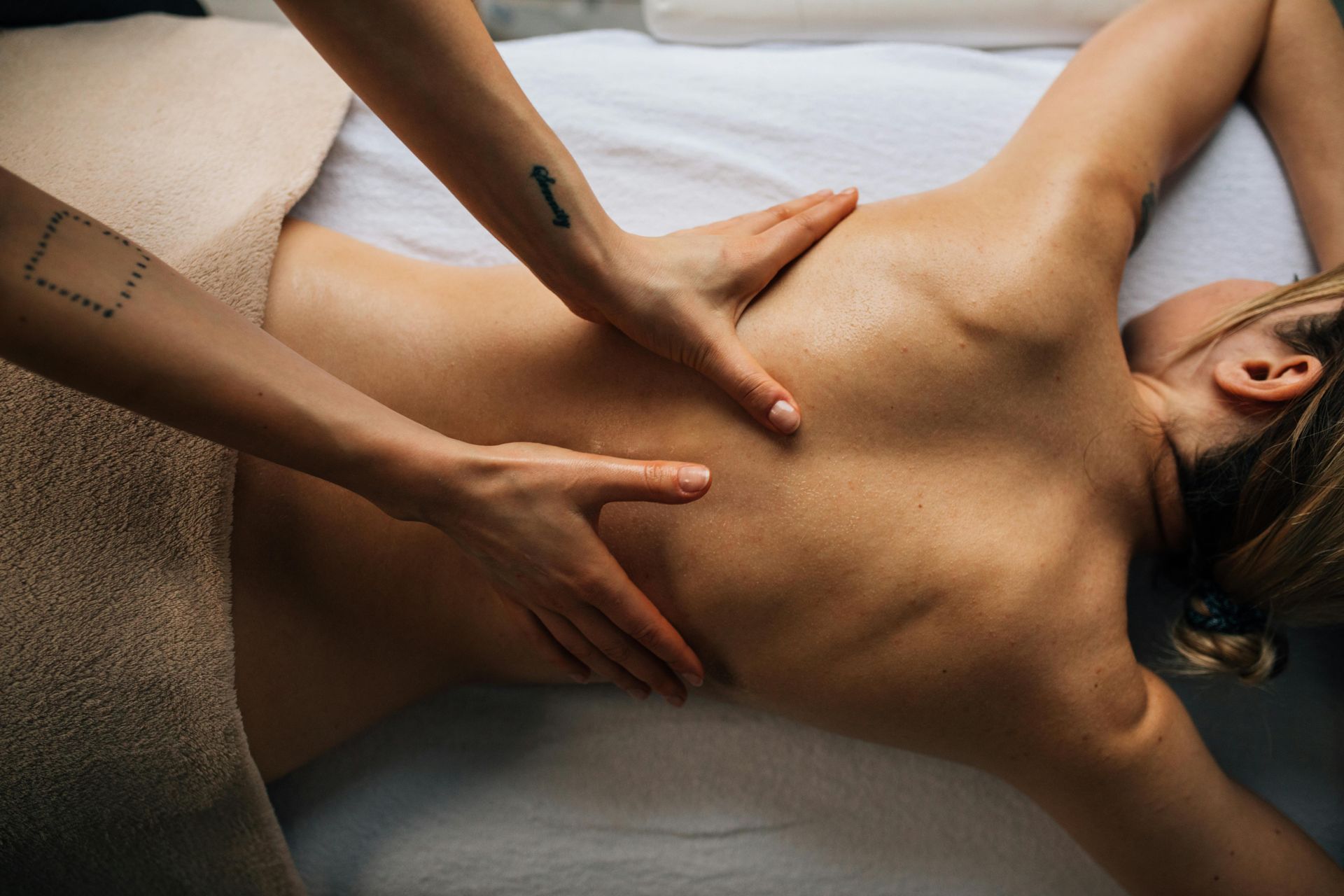
Pregnancy massage can be incredibly effective for managing relaxin-related discomfort. It does not stop the hormone, but it helps your muscles respond in a healthier way. The goal is to support the areas that feel overworked, reduce unnecessary tension, and improve circulation so your body moves with more ease.
Here is how the right massage helps:
1. Reduces Muscle Overcompensation
Your muscles are working harder because your ligaments are softer. Massage helps release tightness in those overworked muscles so they can do their job without living at full tension all the time.
2. Improves Circulation and Reduces Swelling
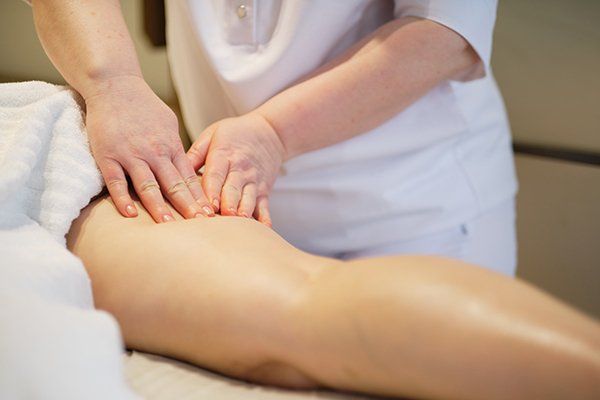
Relaxin affects the vascular system, too. Gentle, supportive massage techniques help improve blood flow and reduce fluid buildup in the legs, feet, and hands.
3. Supports Better Alignment and Mobility
As your joints loosen, your posture shifts. Massage helps relieve pressure in the hips, ribs, and low back so you can move more comfortably.
4. Calms the Nervous System
Relaxin-related instability can make the body brace out of instinct. Massage helps settle that reaction and encourages your system to relax rather than stay in constant protection mode.
5. Helps the Postpartum Body Adjust
Relaxin remains in the body after birth. This is why postpartum massage matters just as much as prenatal massage. Your ligaments firm up again. Your muscles relearn their job. Gentle, targeted work supports that transition.
Massage cannot eliminate the effects of relaxin, but it can help your body function with much less discomfort.
Why It Matters to Work With a Therapist Trained in Prenatal and Postpartum Massage
The biggest mistake people make is assuming pregnancy massage is just a gentler version of regular massage. It is not. A therapist who understands pregnancy anatomy, relaxin’s role, and the shifting biomechanics of this phase brings a level of safety and effectiveness you simply cannot get from general training.
A trained prenatal therapist understands:
- How relaxin changes joint stability
- Which muscles are compensating and why
- Pressure points to avoid
- How to support the pelvis properly
- Safe positioning throughout all trimesters
- How to modify techniques based on swelling, nerve pain, breathing changes, or ligament discomfort
This is especially important when a client is experiencing joint pain. A therapist who does not understand relaxin might unintentionally use pressure or techniques that aggravate already vulnerable areas.
Someone like Courtney at Crescent Moon Prenatal Massage in Grand Rapids, who is specifically trained in prenatal and postpartum massage, understands how the hormone affects movement and stability. She knows how to adjust each session so your body feels supported instead of stressed. She can track how your posture is changing week by week and tailor the massage accordingly. This level of training is what keeps prenatal massage not only safe but genuinely therapeutic.
Book a Pregnancy Massage Today in Grand Rapids
Relaxin is a normal and essential part of pregnancy. It helps your body prepare for birth, but it can also create joint pain, muscle tension, and a general sense of instability. Pregnancy massage helps manage these challenges by supporting overworked muscles, improving circulation, and helping your body move with less strain.
And while any massage can feel relaxing, a pregnancy massage requires knowledge that goes beyond standard training. Working with someone who understands the relaxin hormone during pregnancy, joint pain patterns, and safe positioning ensures you get the most benefit with the least risk. Read more about Courtney’s experience with pregnancy massage and book an appointment anytime through the Crescent Moon website.
With the right support, you do not have to simply “power through” discomfort. You can feel more stable, more comfortable, and more at ease throughout your pregnancy and postpartum recovery.
Ready to work with Crescent Moon Prenatal Massage?
Let's connect! We’re here to help.
Send us a message and we’ll be in touch.
Or give us a call today at (616) 202-1492
Agency Contact Form
More Marketing Tips, Tricks & Tools
Crescent Moon Massage Wellness Blog