Curious About Cupping Massage? Here’s What to Know
What cupping massage does, how it feels, and why it’s often used alongside massage.
Cupping massage tends to spark curiosity fast. People have seen the circular marks on athletes or heard wildly different explanations about what it does. Some swear by it. Others are convinced it is just bruising in disguise. The reality sits somewhere calmer and much more practical.
Cupping massage is a therapeutic technique that has been used for centuries and is now commonly integrated into modern massage sessions. When used thoughtfully, cupping in massage can support muscle release, circulation, and recovery without being a standalone treatment or extreme experience. At Crescent Moon Prenatal Massage in Grand Rapids, I offer cupping as a free add-on option to any service. If you're new to cupping in massage, let me help explain it in simple terms.
What Is Cupping Massage?
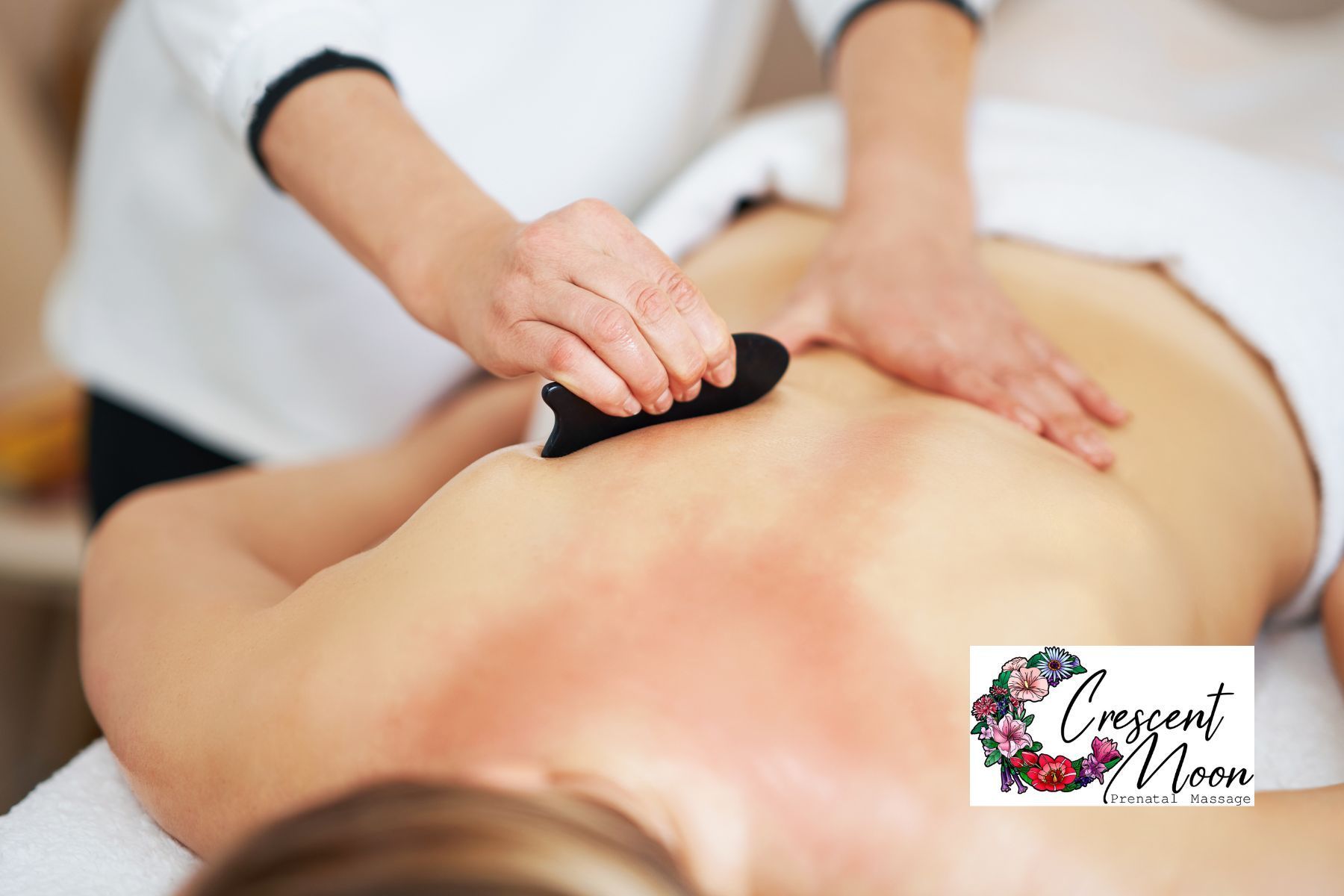
Cupping massage uses suction created by cups placed on the skin to gently lift tissue upward. Unlike traditional massage, which presses down into muscles, cupping works by creating space between layers of tissue. This change in pressure can help restricted areas move more freely.
Cups are typically made of silicone or plastic and can be stationary or gently moved across the skin during a massage. The suction is adjustable and should always feel tolerable, not painful.
Cupping massage is most often used as a complement to hands-on massage, not a replacement for it.
How Cupping in Massage Works on Muscles and Fascia
Muscles are wrapped in fascia, a connective tissue that helps everything glide smoothly. When fascia becomes tight or restricted, movement can feel stiff or uncomfortable. Cupping in massage helps lift and decompress this tissue rather than compressing it.
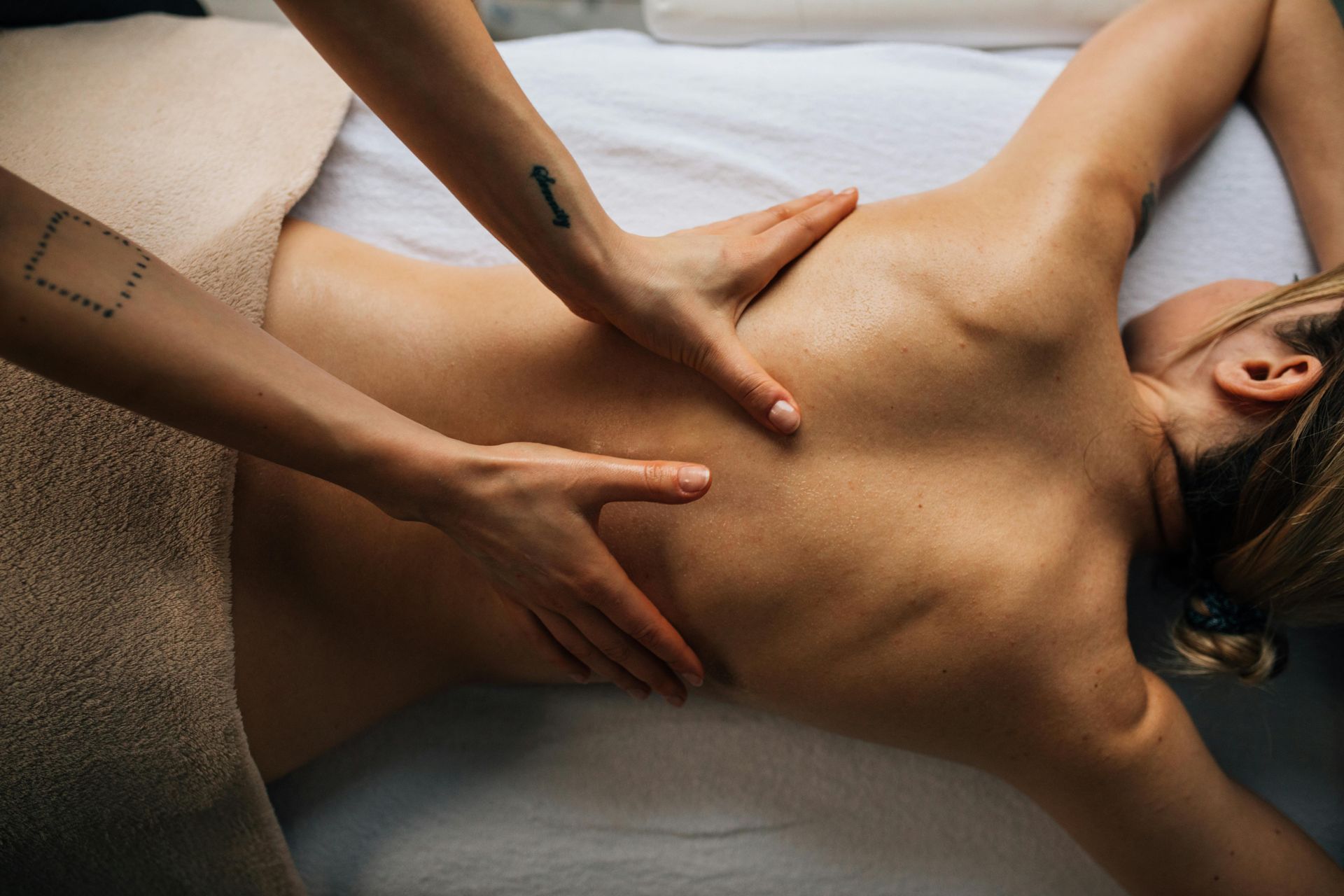
This lifting effect can improve circulation, encourage lymphatic flow, and help stubborn areas of tension release more easily. Therapists often use cupping on areas like the back, shoulders, hips, and legs where muscles tend to hold stress.
Because cupping changes pressure rather than adding force, many people find it effective even if they do not enjoy deep-pressure massage.
What Cupping Massage Feels Like
Cupping massage feels different for everyone. Most people describe it as a pulling or stretching sensation rather than pressure. When cups are moved, it can feel like a slow glide combined with gentle suction.
There should never be sharp pain or intense discomfort. A skilled therapist adjusts suction based on tissue response and client feedback. If it feels like too much, it is too much.
For people who struggle to relax during deep tissue work, cupping can sometimes feel surprisingly gentle while still being effective.
Cupping Marks Explained and Why It Is Not Actually Bruising
One of the biggest concerns people have is cupping bruising. Those circular marks can look alarming if you do not know what causes them. The good news is that they are not bruises in the traditional sense.
Bruises happen when blood vessels are damaged from trauma. Cupping marks occur because suction draws blood to the surface of the skin. There is no vessel damage involved. The discoloration is more like a temporary flush than an injury.
Cupping marks fade on their own, usually within a few days to a week. Their color and intensity vary based on circulation, hydration, and how congested the tissue is. A darker mark does not mean something bad happened. It often indicates an area that needed attention.
Who Can Benefit From Cupping Massage
Cupping massage can be helpful for people dealing with muscle tightness, limited mobility, postural tension, or repetitive strain. It is commonly used by athletes, desk workers, and people recovering from physical stress.
It can also support circulation and relaxation during seasonal changes, especially in climates like Michigan, where cold winters, humid summers, and temperature swings affect how bodies feel. Cupping in massage can help counteract that heavy, stiff feeling that comes with long winters or long periods of sitting.
That said, cupping is not for everyone. Certain medical conditions and skin sensitivities require caution. A trained therapist will always assess whether cupping is appropriate. We will never use cupping therapy during a session without your consent.
How Cupping Massage Is Used in a Session
Cupping massage is rarely the entire session unless someone specifically asks for it. More often, it is used strategically alongside Swedish (therapeutic) massage or deep tissue massage to address specific areas.
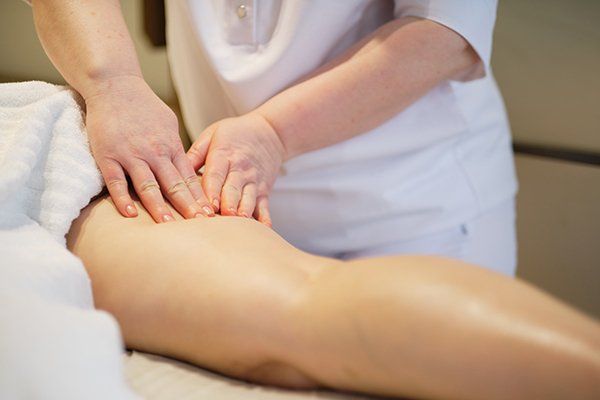
A therapist may use cupping briefly to release tight tissue, then follow up with hands-on work to reinforce the change. This blended approach allows the body to respond without overwhelming it.
Used this way, cupping becomes a tool rather than the main event.
Common Myths About Cupping in Massage
One common myth is that cupping must leave marks to work. That is not true. Effective cupping can be done with minimal or no discoloration.
Another myth is that cupping is extreme or painful. When performed correctly, it should feel controlled and supportive.
Cupping is also not a detox cure-all. It supports natural circulation and lymphatic movement, but it does not pull toxins out of the body.
Book Cupping Massage in Grand Rapids
If you are curious about cupping massage or want to explore whether cupping in massage could benefit you, working with an experienced therapist matters. Courtney Downs offers cupping as part of therapeutic massage sessions at Crescent Moon Prenatal Massage. Her approach is thoughtful, gentle, and based on what your body needs, not trends. Cupping at Crescent Moon Prenatal Massage is a free add-on, not an upcharge.
To try cupping massage in a supportive, professional setting, book a session with Courtney Downs at Crescent Moon Prenatal Massage in Grand Rapids, Michigan.
Ready to work with Crescent Moon Prenatal Massage?
Let's connect! We’re here to help.
Send us a message and we’ll be in touch.
Or give us a call today at (616) 202-1492
Agency Contact Form
More Marketing Tips, Tricks & Tools
Crescent Moon Massage Wellness Blog