Gua Sha Massage: Scraping Beyond the Facial Trend
Why gua sha massage goes beyond aesthetics and how it supports real muscle and tissue health
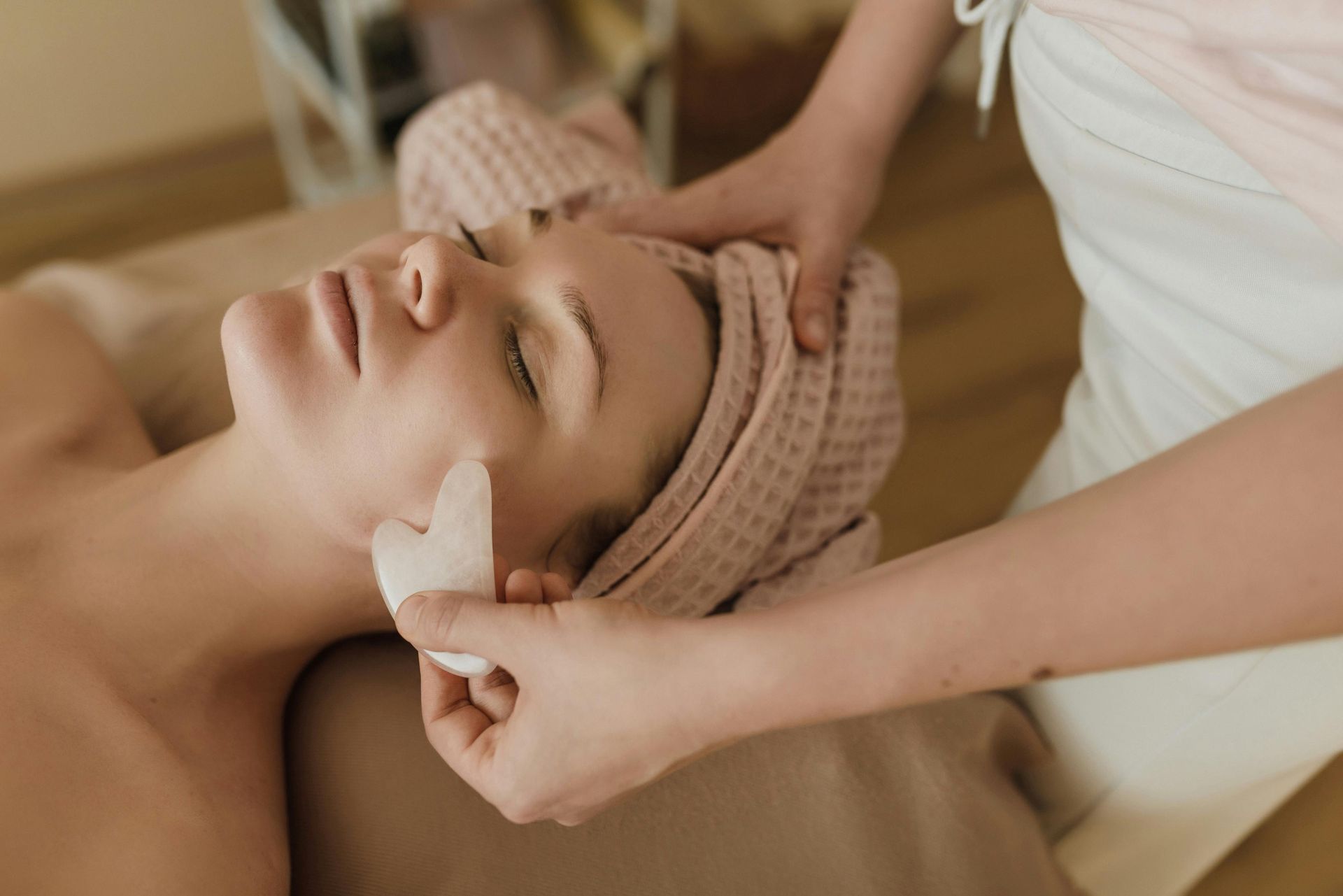
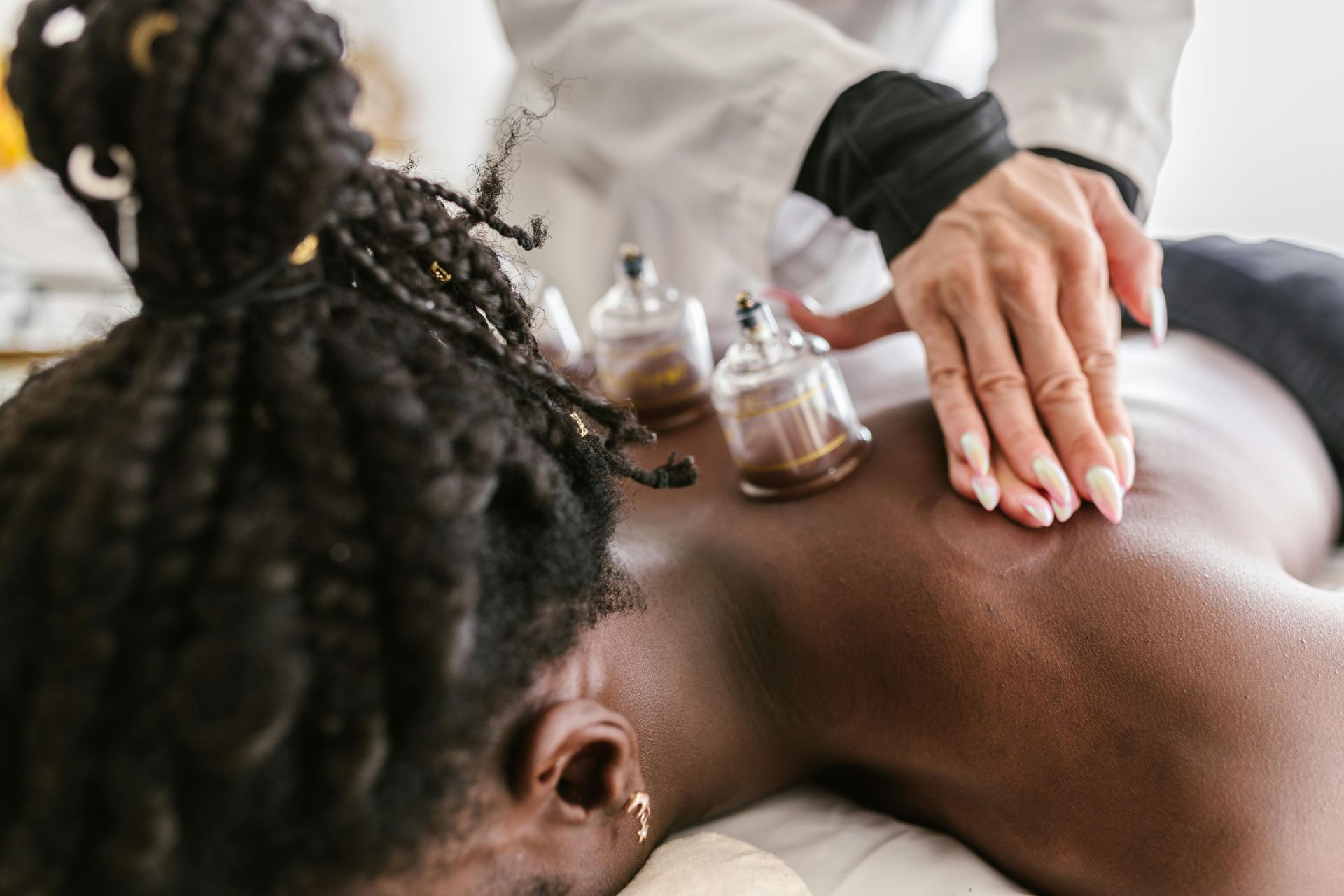
Gua sha facial massage is everywhere right now. Jade tools, morning routines, glowing skin claims. Most images of gua sha scraping in 2026 look something like the photo above. What gets lost in the scroll is that gua sha is not new, and it is not just about looks. Long before it became a skincare trend, gua sha massage was used as a therapeutic technique to support muscles, circulation, and tissue health. That deeper benefit is what matters most in a massage setting.
What Is Gua Sha Massage?
Gua sha massage is a hands-on technique that uses a smooth-edged tool to gently scrape or glide along the skin. The pressure is controlled and intentional, not aggressive. In massage therapy, gua sha is used to address muscle tension, fascial restriction, and circulation rather than surface-level appearance.
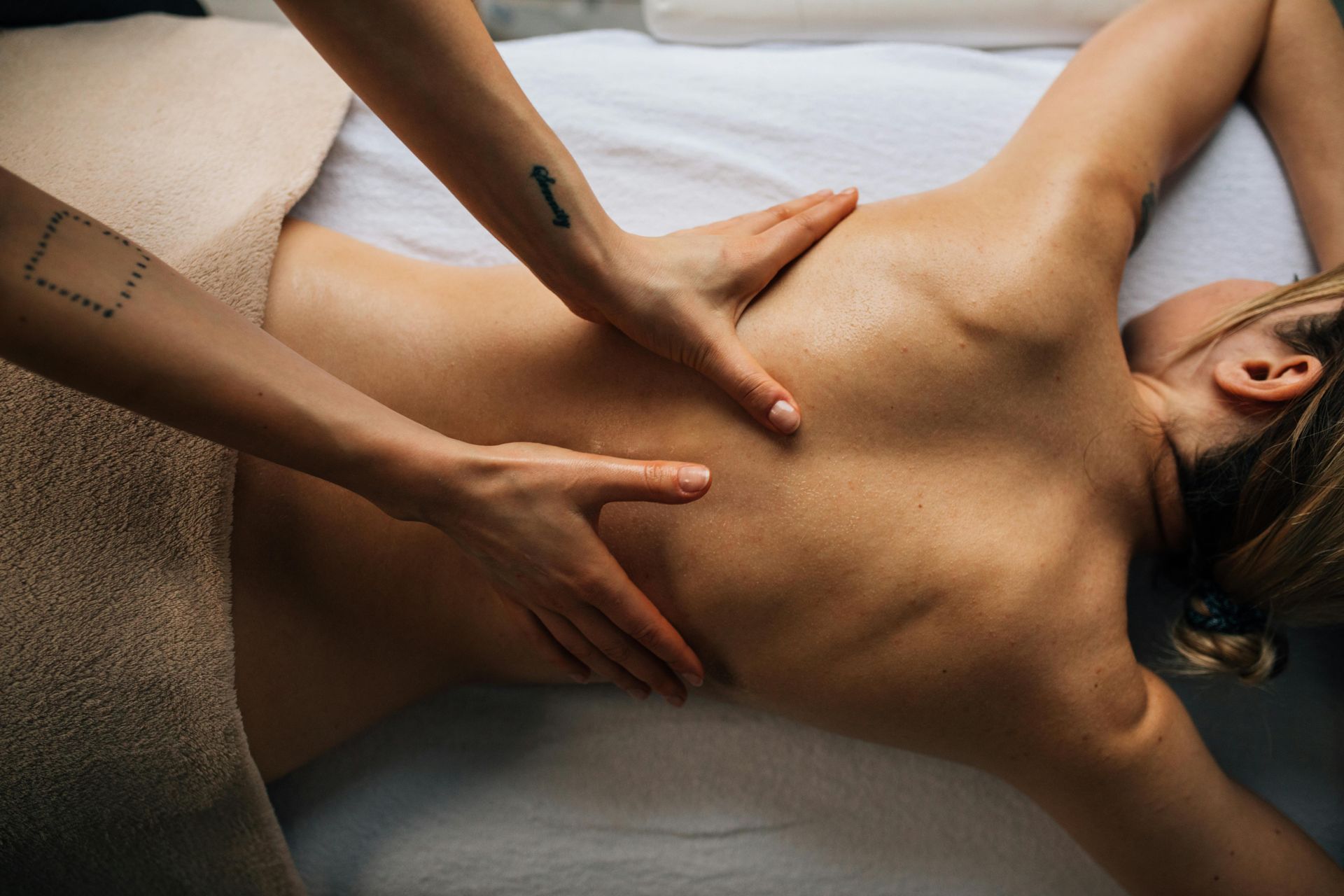
While gua sha facial massage focuses on the face and neck, gua sha massage can also be applied to the shoulders, back, hips, and other areas where muscles tend to hold tension. The goal is to encourage movement between tissue layers and improve blood and lymph flow.
Where the Term Gua Sha Comes From
The term gua sha comes from traditional East Asian medicine. “Gua” means to scrape or move, and “sha” refers to redness that appears on the skin when circulation is stimulated. Historically, the technique was used to support healing during illness and muscle pain.
Modern gua sha massage looks gentler than traditional methods, especially in a clinical massage setting. The intent remains the same, though. Improve circulation, reduce stagnation, and help the body restore balance.
Benefits of Gua Sha Massage Beyond Aesthetics
While facial gua sha can help with puffiness and circulation, the benefits of gua sha massage extend deeper. Many people notice reduced muscle tightness, improved range of motion, and less stiffness in areas that feel stuck.
Gua sha massage can also support lymphatic drainage, which helps the body manage fluid buildup and inflammation. Because the technique works on fascia as well as muscle, it can be useful for people who do not respond well to deep pressure massage.
Another benefit is nervous system regulation. The slow, repetitive movements of gua sha massage can feel grounding and calming, which helps the body shift out of stress mode.
Gua Sha Redness Explained and What It Actually Means
Gua sha redness can look dramatic if you are not expecting it, especially if you have only seen gentle facial versions online. The redness left behind is not a bruise, and it is not skin damage. It is a response to increased circulation in the area.
When gua sha massage is applied to muscles and fascia, it brings blood and fluid to the surface. That redness, sometimes called sha, is a sign that stagnant or restricted tissue is responding to movement. Areas with more tension or congestion may show deeper color, while other areas may barely change at all.
The redness usually fades within a few hours to a few days, depending on your circulation, hydration, and overall tissue health. It should not be painful. Think of it as a temporary flush that shows the body is responding, not a marker of injury or excess force.
Who Is a Good Candidate for Gua Sha Massage?
Gua sha massage is a good option for people dealing with muscle tension, postural strain, or limited mobility. It can be especially helpful for desk workers, people with neck and shoulder tightness, and those recovering from physical stress.
It is also useful for clients who want therapeutic results but prefer lighter pressure. That said, gua sha is not appropriate for everyone. Certain skin conditions, blood disorders, or acute injuries may require avoiding the technique. A trained therapist will always assess whether it is a good fit.
How Gua Sha Is Used in Massage Sessions
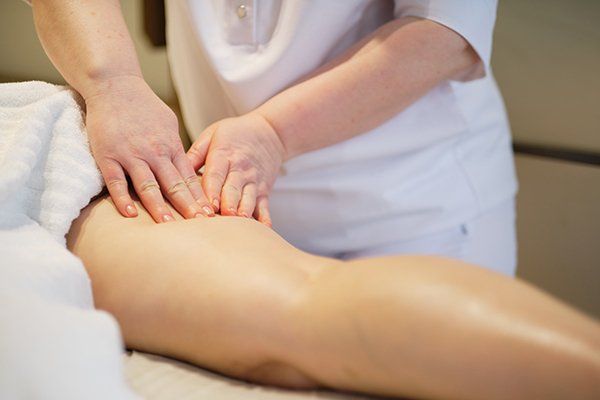
Gua sha massage is rarely the entire session. It is most effective when used strategically alongside Swedish massage or deep tissue massage. A therapist may use gua sha to release stubborn tension, then follow with hands-on work to support the change.
At Crescent Moon Prenatal Massage, gua sha is offered as a free add-on when appropriate. It is used thoughtfully, either at a client’s request or when the therapist feels it would be beneficial. It is not treated as a trend or upsell, but as a tool.
Try Gua Sha Massage in Grand Rapids
If you are curious about gua sha massage and want to experience its benefits beyond social media claims, working with a skilled therapist matters. Courtney Downs at Crescent Moon Prenatal Massage in Grand Rapids, Michigan, can work with you to see if gua scraping is right for you.
Book a massage and explore whether gua sha massage can help your muscles move and feel better, not just look smoother.
Ready to work with Crescent Moon Prenatal Massage?
Let's connect! We’re here to help.
Send us a message and we’ll be in touch.
Or give us a call today at (616) 202-1492
Agency Contact Form
More Marketing Tips, Tricks & Tools
Crescent Moon Massage Wellness Blog